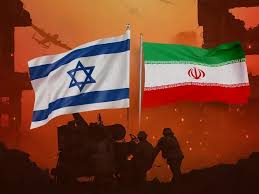
The ongoing geopolitical tensions in the Middle East, particularly involving Iran, Israel, and the United States, are having a significant impact on global security and international trade. As the conflict intensifies, its effects are being felt far beyond the region, disrupting supply chains, transportation networks, and economic stability worldwide.
One of the most critical areas affected is the Strait of Hormuz, a vital maritime route through which nearly one-fifth of the world’s oil supply passes. Due to rising threats and military activity, several shipping companies have either reduced operations or rerouted vessels to avoid potential attacks. This has led to delays in global shipments and increased transportation costs, directly impacting international trade.
Air travel has also been severely disrupted. Several countries temporarily closed their airspace following missile and drone threats, forcing airlines to cancel or reroute flights. This has not only affected passenger travel but also delayed air cargo services, which are crucial for the delivery of high-value and time-sensitive goods such as electronics, medicines, and perishable items.
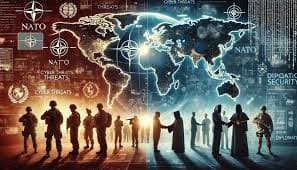
The uncertainty has also raised global security concerns. Governments across Europe, Asia, and North America have increased surveillance and tightened security measures to prevent the conflict from spilling into other regions. Military forces have been placed on high alert, and diplomatic efforts are ongoing to prevent further escalation.
Additionally, global trade routes are facing congestion as ships are diverted to alternative paths, increasing transit time. Businesses that rely on international imports and exports are experiencing supply shortages and rising costs. Small and medium enterprises are particularly vulnerable, as they have limited capacity to absorb such disruptions.
Experts warn that if the situation continues, it could lead to long-term changes in global trade patterns, with countries seeking more secure and diversified supply chains. The crisis highlights how closely connected global security and trade are, and how regional conflicts can quickly evolve into worldwide economic challenges.
In conclusion, the current geopolitical tensions are not just a regional issue but a global concern, affecting economies, industries, and everyday life across the world.