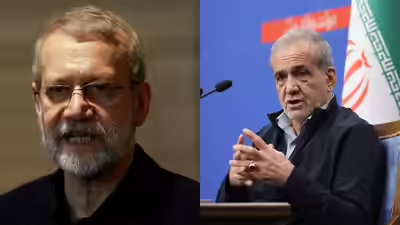
WASHINGTON / TEHRAN — Despite nearly two weeks of heavy U.S. and Israeli bombardment targeting Iranian military and infrastructure, U.S. intelligence officials report that Iran’s government remains stable and is not at imminent risk of collapsing. These assessments follow the recent killing of Supreme Leader Ayatollah Ali Khamenei on February 28 and the subsequent appointment of his son, Mojtaba Khamenei, as the new Supreme Leader.
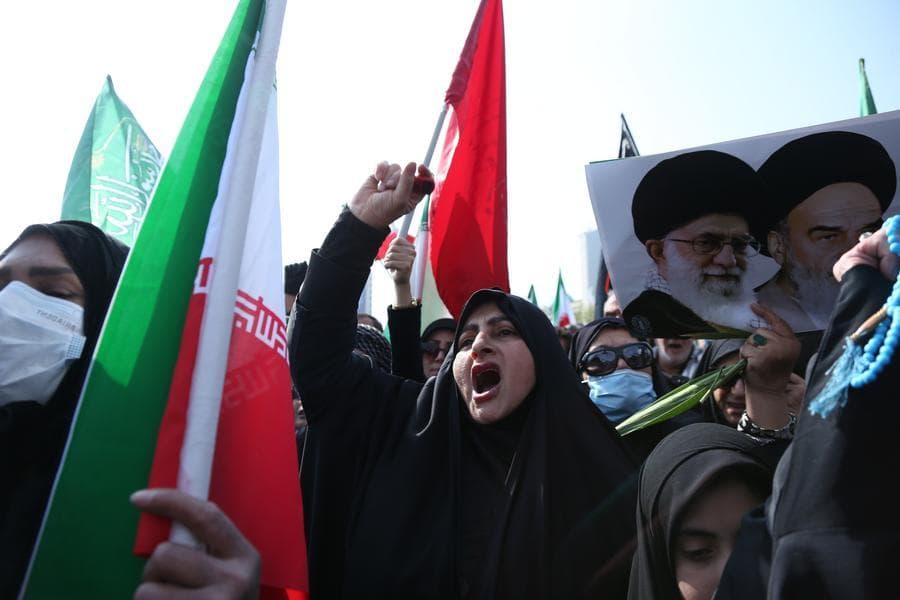
According to U.S. intelligence sources, agencies including the Office of the Director of National Intelligence have reviewed classified inputs indicating that Iran’s central leadership and the Islamic Revolutionary Guard Corps (IRGC) retain full operational control. Tehran continues to exercise authority across the country, and there is no concrete evidence of a breakdown in public order or regime control.
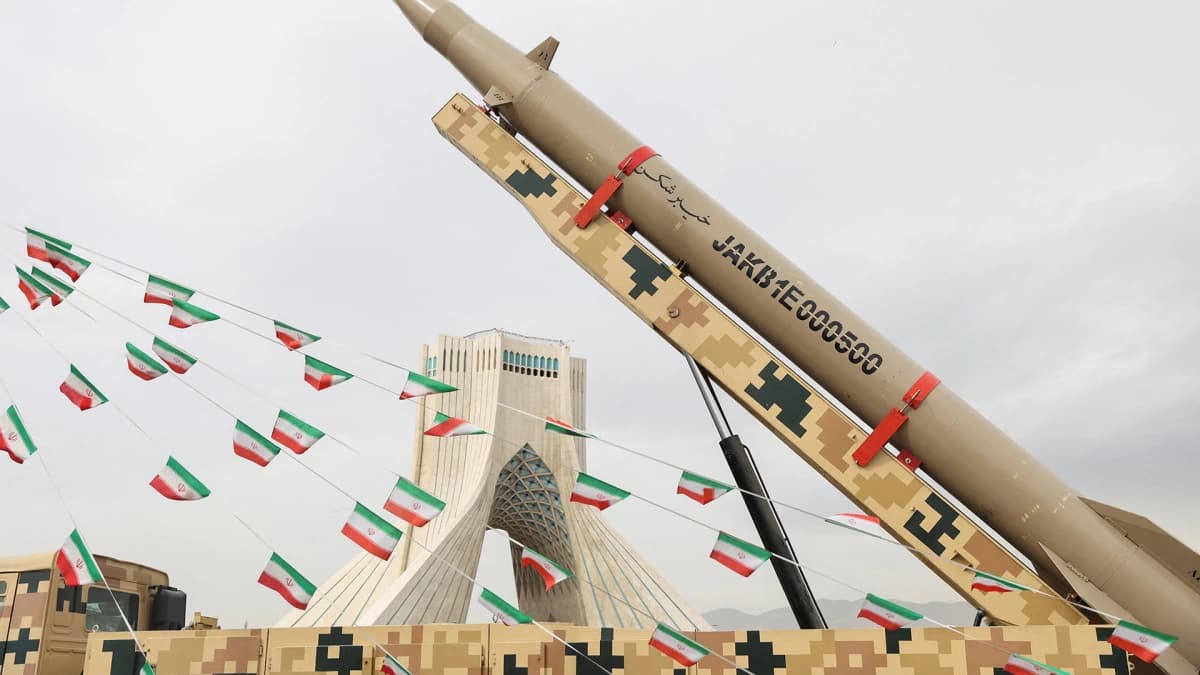
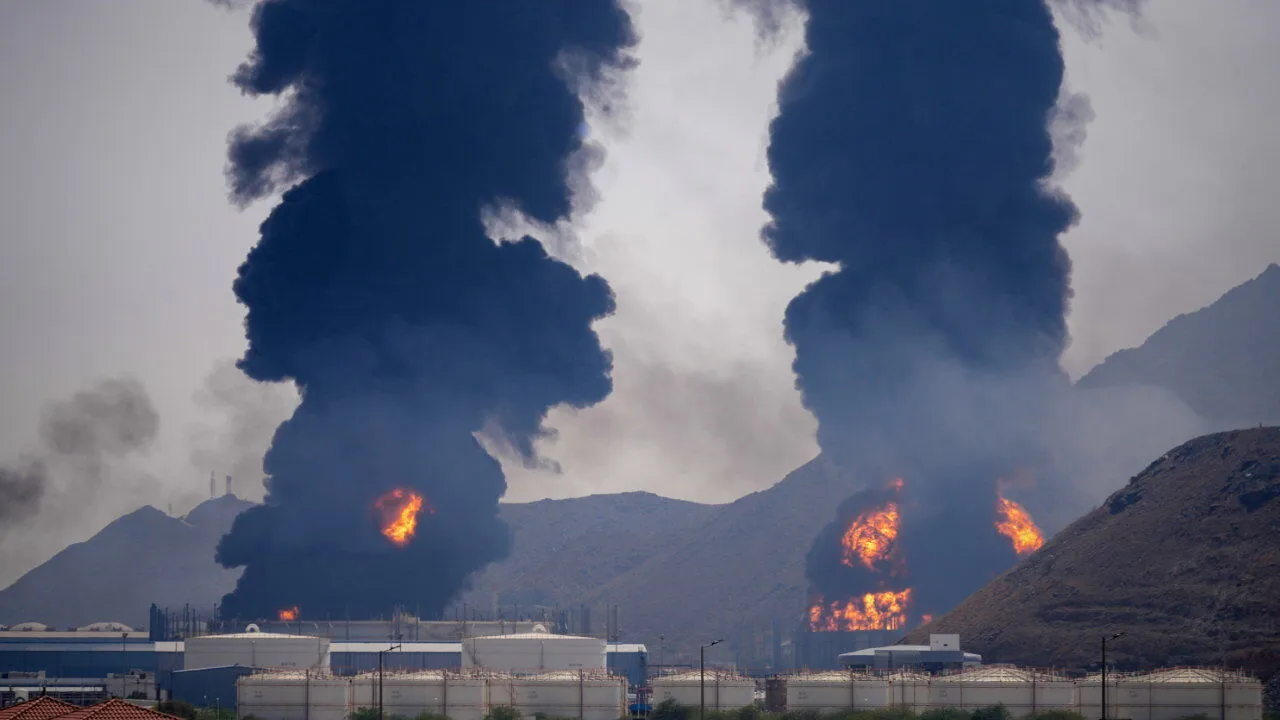
The findings come amid widespread airstrikes by U.S. and Israeli forces targeting strategic Iranian locations, including nuclear facilities and military command centers. While these attacks have inflicted substantial damage and casualties, analysts say that Iran’s political and military hierarchy has not shown signs of weakening, and Israeli officials privately acknowledge that a rapid regime change is unlikely.