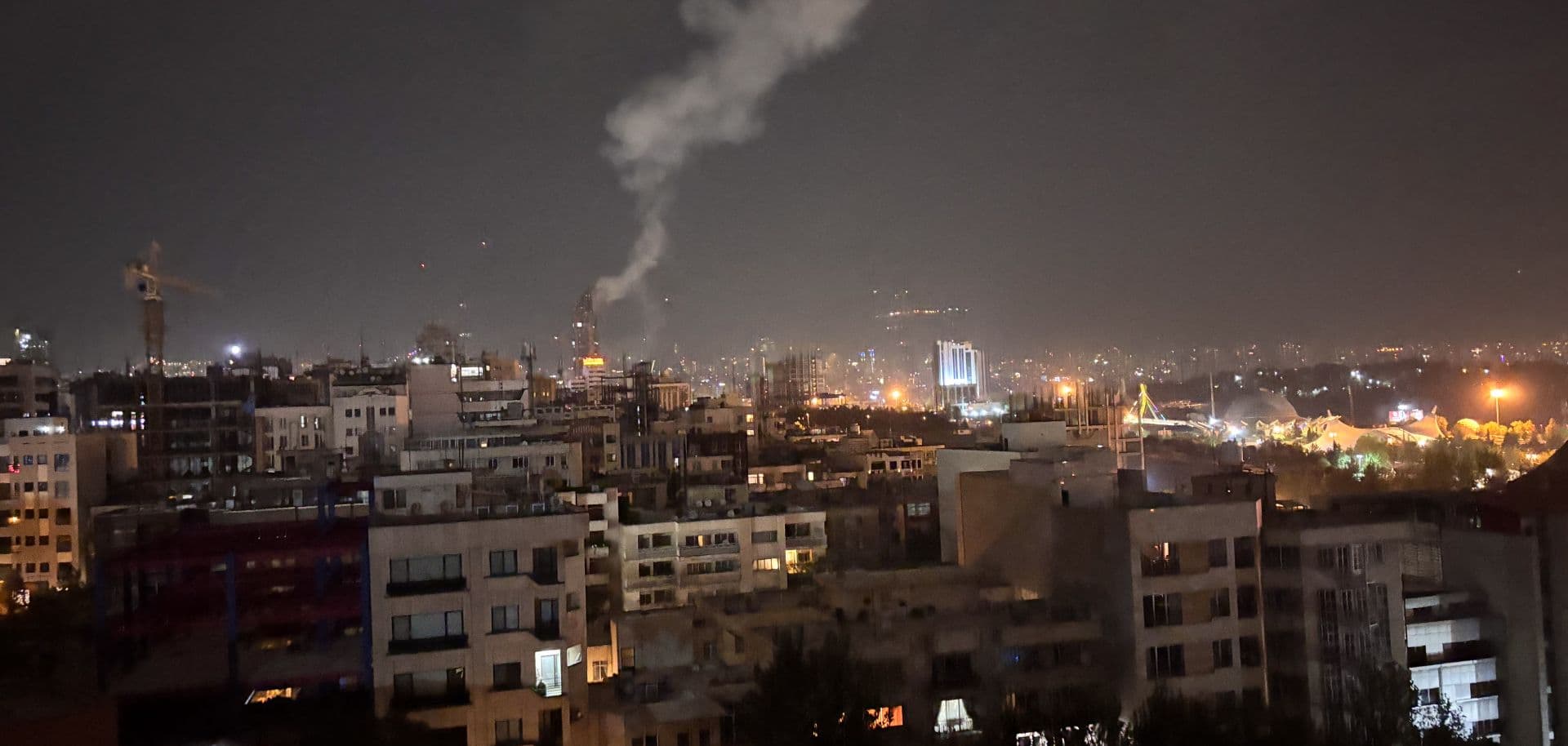
The conflict between Israel and Iran has escalated dramatically in recent days, marking one of the most dangerous phases of tension in the Middle East. The situation intensified after Israel launched a major airstrike on Iran’s South Pars gas field, the world’s largest natural gas reserve. The attack disrupted a significant portion of Iran’s energy production and sent shockwaves through global oil markets.
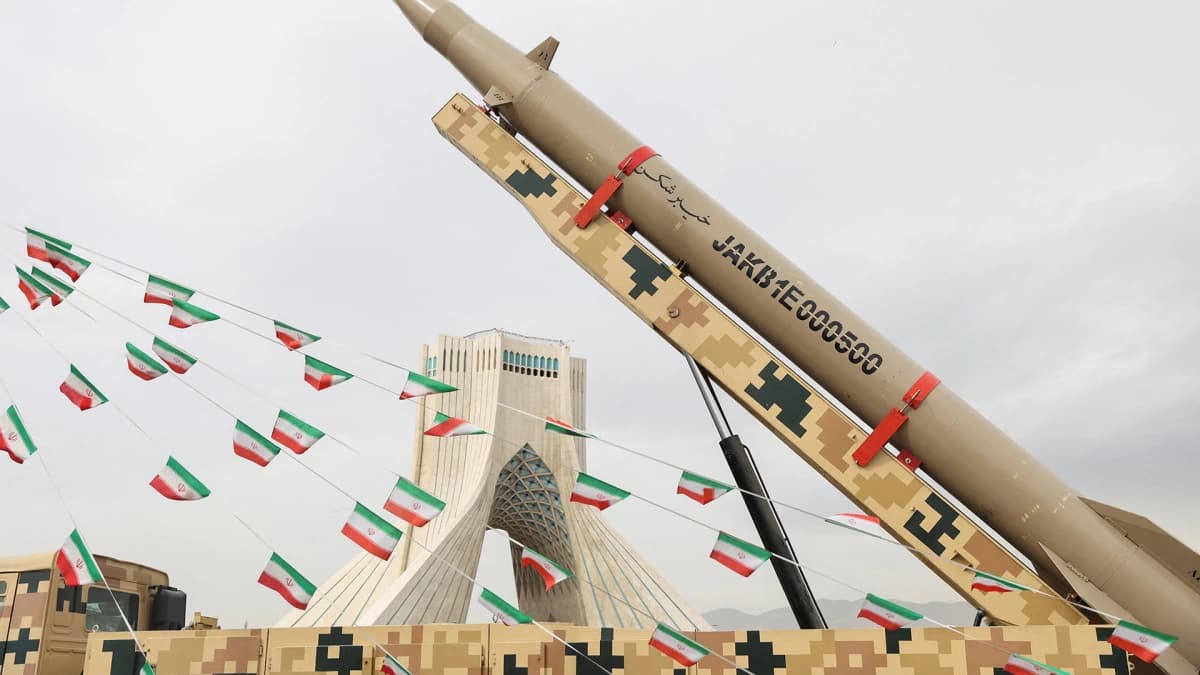
In response, Iran carried out retaliatory missile and drone strikes targeting Israeli territory as well as energy infrastructure across the Gulf region. These counterattacks have increased fears of a broader regional war, as multiple countries are now indirectly affected by the conflict.
The involvement of the United States has further complicated the situation. U.S. forces have increased their military presence in the region, particularly around the strategically important Strait of Hormuz, to secure shipping routes and counter Iranian threats. Military operations targeting Iranian assets and infrastructure have added to the intensity of the conflict.
Israeli Prime Minister Benjamin Netanyahu has indicated that operations may expand further, including possible ground actions if necessary. At the same time, global leaders have urged restraint, warning that continued escalation could destabilize the entire region and disrupt global energy supplies.
The war has already caused significant casualties and damage to critical infrastructure on both sides. Missile attacks have struck populated areas, increasing civilian risks and humanitarian concerns. Meanwhile, oil prices have surged due to fears of supply disruptions, affecting economies worldwide.
Overall, the Israel–Iran conflict is rapidly evolving into a wider geopolitical crisis. With ongoing military strikes, retaliatory actions, and limited diplomatic progress, the risk of a prolonged and more destructive regional war remains high.