
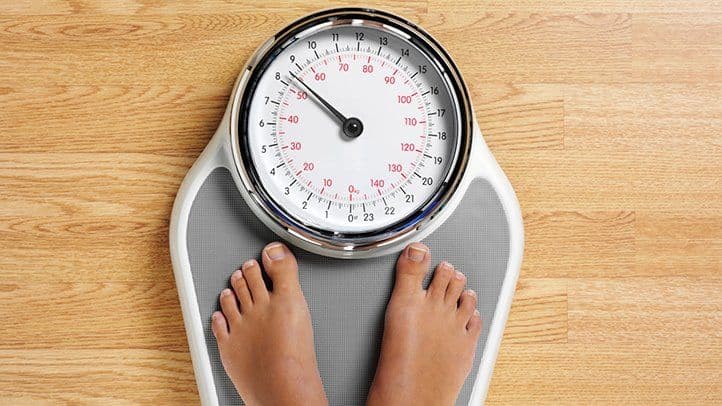
Maintaining a healthy weight is an important part of overall well-being. Weight management is not only about losing weight but also about maintaining a balance between the calories we consume and the energy we burn through daily activities. A healthy body weight reduces the risk of many health problems such as heart disease, diabetes, and high blood pressure. By adopting simple lifestyle changes, individuals can manage their weight effectively and improve their quality of life.
One of the most important factors in weight management is maintaining a balanced diet. Consuming nutritious foods such as fruits, vegetables, whole grains, lean proteins, and healthy fats helps the body receive essential nutrients without excess calories. Avoiding processed foods, sugary drinks, and high-fat meals can also help in controlling weight. Eating smaller portions and having regular meals throughout the day can prevent overeating and keep the metabolism active.
Regular physical activity is another key component of weight management. Exercise helps burn calories, strengthen muscles, and improve overall fitness. Activities such as walking, jogging, cycling, yoga, and swimming are simple ways to stay active. Even small changes, like taking the stairs instead of the elevator or going for short walks, can make a big difference over time.