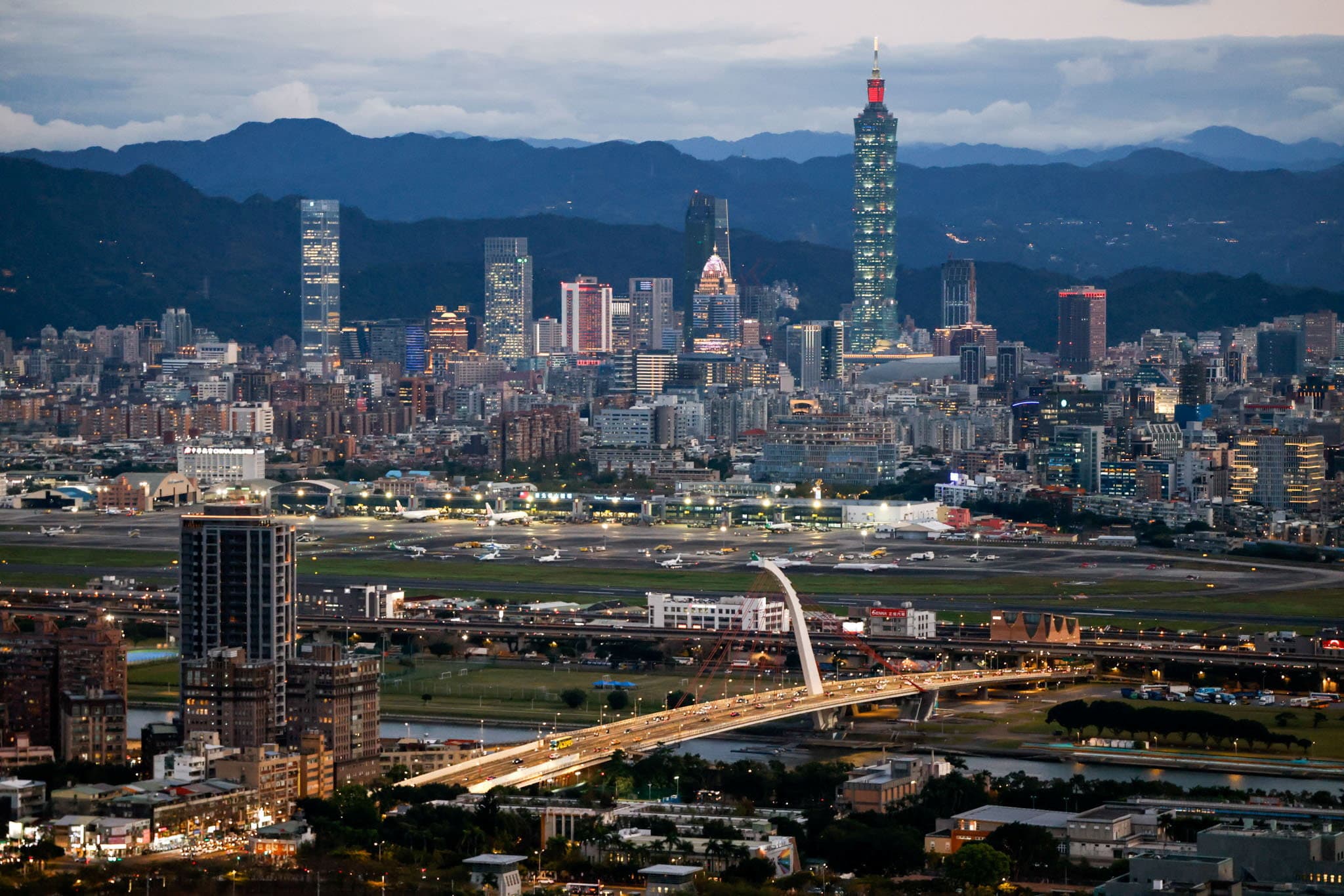
In a significant geopolitical development, China has offered Taiwan what it describes as “stable energy security” in exchange for accepting reunification with Beijing. The proposal comes at a time when the ongoing Middle East conflict has disrupted global energy supplies, forcing many countries to rethink their energy strategies.
The offer was made by China’s Taiwan Affairs Office, which stated that Taiwan could benefit from reliable energy and resource support under what it calls “peaceful reunification.” Chinese officials argued that being part of a “strong motherland” would ensure long-term stability in energy supply, especially during global crises like the current war affecting oil shipments through the Strait of Hormuz.
The timing of the proposal is significant. The Middle East war has led to major disruptions in global oil and gas transportation routes, particularly through the Strait of Hormuz, a key channel for energy exports. As countries scramble for alternative supplies, China appears to be using the situation to strengthen its political messaging toward Taiwan.
However, Taiwan has firmly rejected the offer. Taiwanese President Lai Ching-te emphasized that the island has already secured sufficient energy supplies through a diversified strategy. Taiwan, which previously relied heavily on liquefied natural gas (LNG) imports from countries like Qatar, has now arranged alternative supplies, including increased imports from the United States.
Taiwan’s government also reiterated its long-standing position that its future must be decided by its own people and not influenced by external pressure. No major political party in Taiwan supports China’s “one country, two systems” model, which Beijing continues to promote as a framework for reunification.
The development highlights rising tensions between China and Taiwan, which have already been strained due to military activities and international involvement, particularly from the United States. Analysts believe that China’s latest move is part of a broader strategy to combine economic incentives with political pressure.
Overall, China’s energy security offer underscores how global conflicts, such as the Middle East war, are influencing regional geopolitics. While Beijing presents the proposal as a mutually beneficial solution, Taiwan’s rejection signals that political differences remain deeply rooted, keeping tensions in the region high.