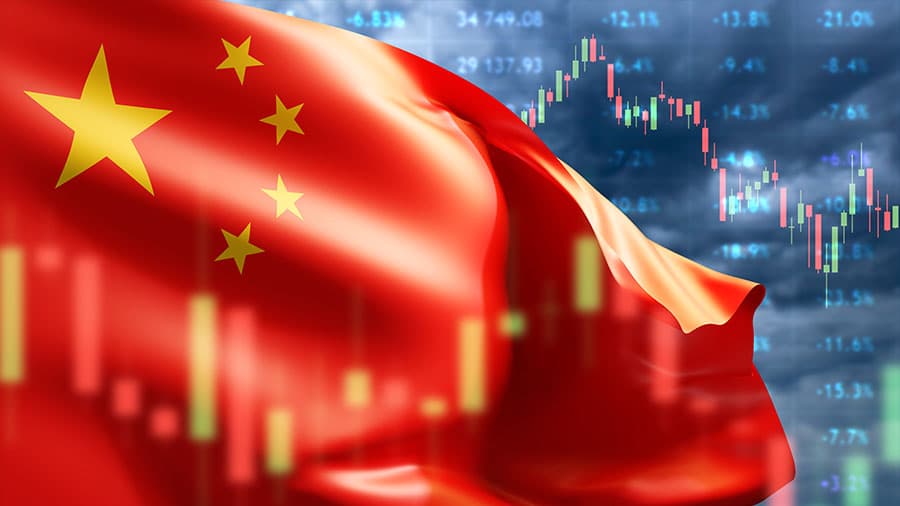
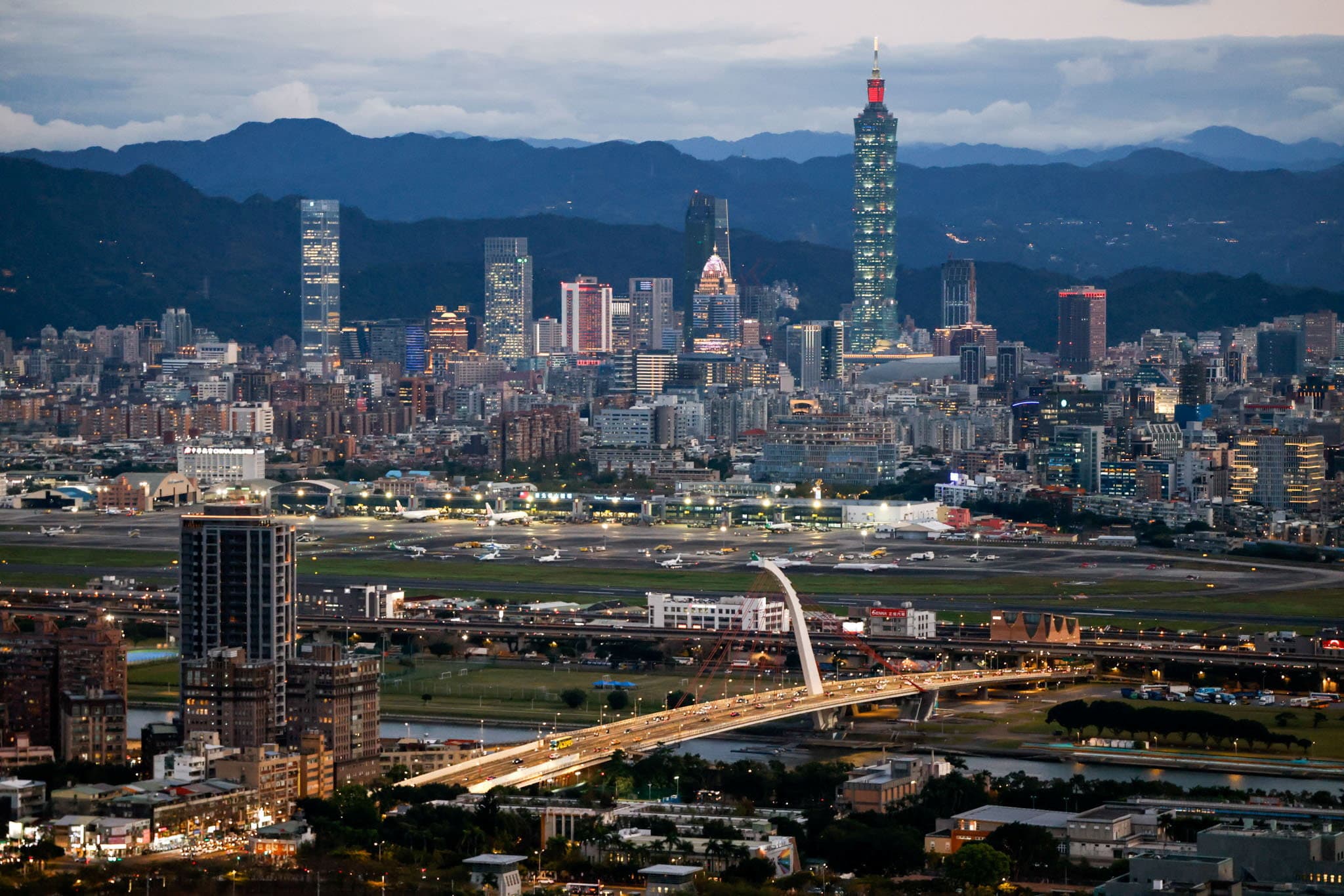
The economy of China remains one of the most powerful and influential in the world. As the second-largest economy after the United States, China plays a critical role in global trade, manufacturing, and technology. However, in recent years the Chinese economy has entered a new phase marked by slower growth, structural reforms, and efforts to transition toward a more sustainable economic model.
Economic Growth and Transition
For decades, China’s rapid economic growth was driven by large-scale manufacturing, exports, and infrastructure development. Cities expanded quickly, and China became the “world’s factory.” Today, the government is shifting its focus from export-led growth toward domestic consumption, services, and technological innovation.
Although China continues to grow, the growth rate has slowed compared to the double-digit expansion seen in earlier decades. This slowdown reflects both global economic pressures and internal structural adjustments as the country moves toward a more balanced economy.
Key Sectors Driving the Economy
Manufacturing and Exports
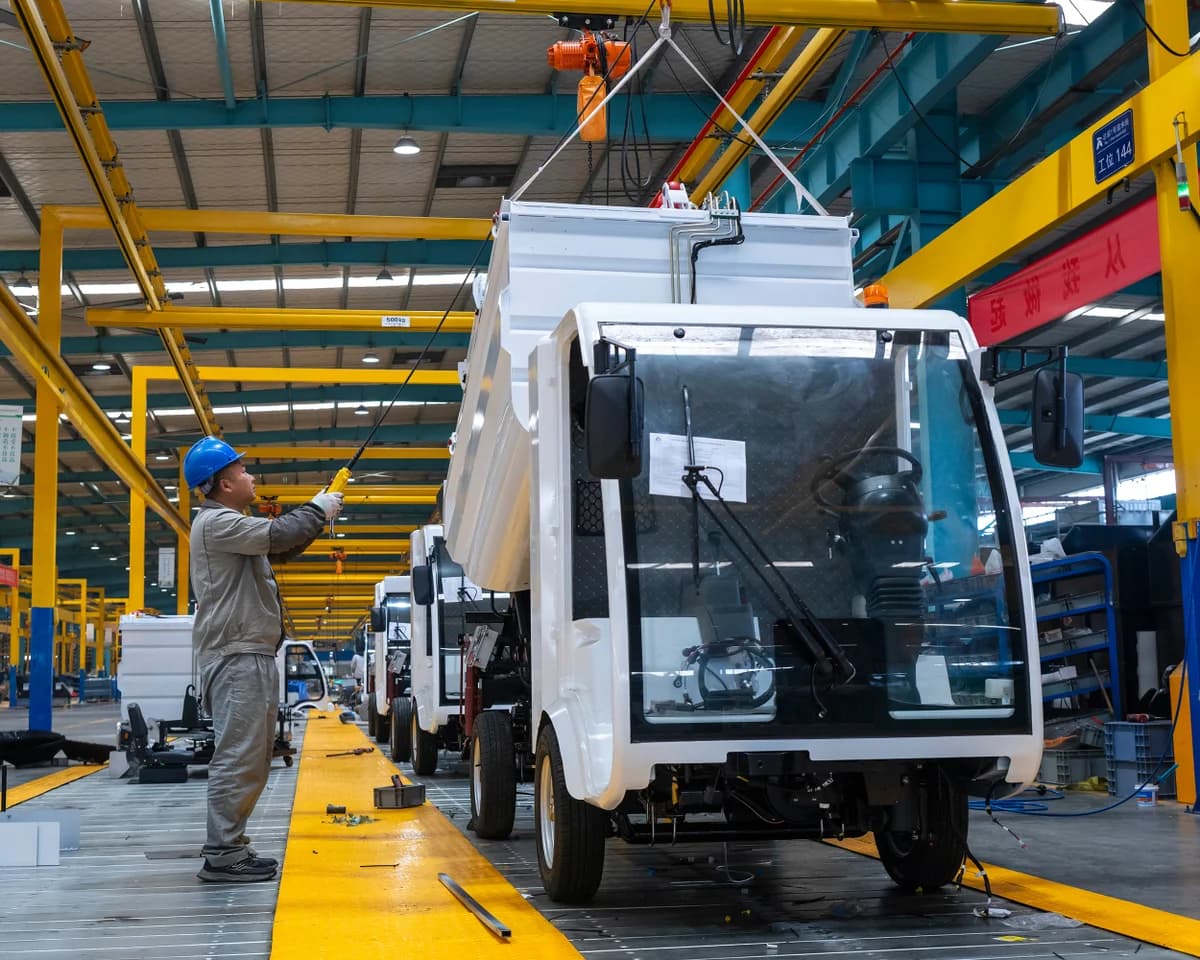
China remains the largest manufacturing hub in the world, producing electronics, machinery, textiles, and consumer goods that are exported globally. Chinese factories continue to play a central role in international supply chains.
Technology and Innovation
Technology has become one of the most important drivers of China’s economic strategy. Major companies such as Huawei, Alibaba Group, and Tencent are leading advancements in artificial intelligence, cloud computing, and digital platforms.
Infrastructure and Investment
China continues to invest heavily in infrastructure projects both domestically and internationally through initiatives like the Belt and Road Initiative. This global development program focuses on building transportation networks, ports, and energy infrastructure across Asia, Europe, and Africa.
Major Economic Challenges
Despite its economic strength, China faces several important challenges.
Real Estate Crisis
The property sector has experienced financial stress in recent years, with large developers such as Evergrande Group facing debt problems. Since real estate has been a major driver of economic growth, instability in this sector has affected overall economic confidence.
Aging Population
China’s population is aging rapidly, partly due to decades of the One‑Child Policy. A shrinking workforce could slow economic productivity and increase pressure on social welfare systems.
Global Trade Tensions
Trade disputes and geopolitical tensions with countries such as the United States have created uncertainty for exports and technology development. These challenges have pushed China to focus more on domestic innovation and self-reliance.
Future Outlook
China’s long-term economic strategy focuses on innovation, green development, and digital transformation. Investments in renewable energy, electric vehicles, and advanced manufacturing are expected to shape the country’s future growth.
While economic challenges remain, China’s large domestic market, strong manufacturing base, and expanding technological capabilities continue to make it a major force in the global economy.
Conclusion
China’s economy is undergoing a significant transformation. Moving from an export-driven manufacturing powerhouse to an innovation-led economic model will take time, but it may ultimately create a more stable and sustainable growth path. As the global economy evolves, China’s economic decisions will continue to influence markets, trade, and technological development around the world.