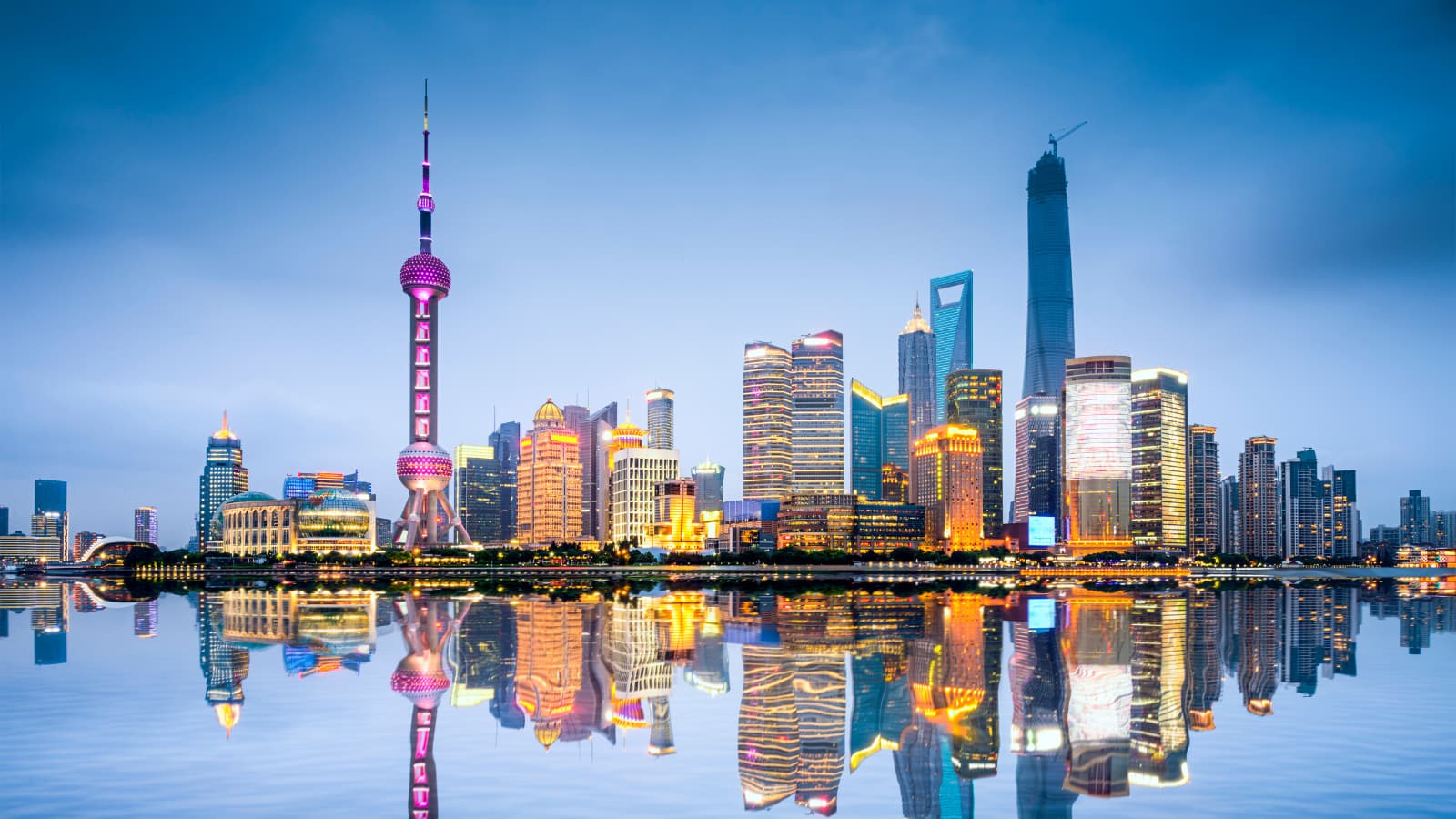
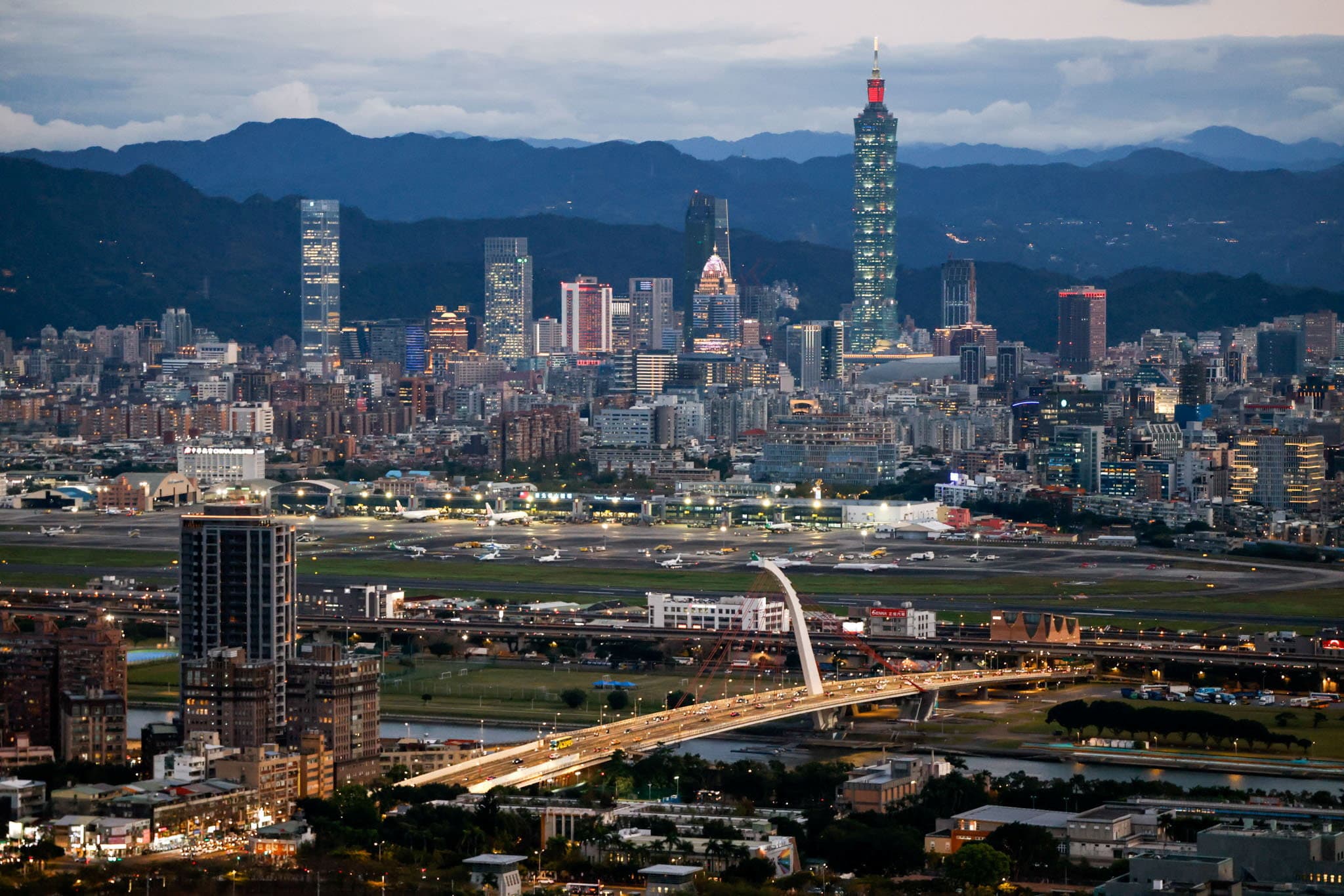
China has entered 2026 with a renewed focus on innovation as the cornerstone of its economic and social development. Against global headwinds such as inflationary pressures and fragmented trade, the country has sustained growth by upgrading its industrial structure and investing heavily in science and technology. In 2025, China’s GDP expanded by 5 percent, surpassing 140 trillion yuan, while trade grew for the ninth consecutive year, underscoring resilience built on innovation-led strategies.
Policy Framework
The upcoming 15th Five-Year Plan (2026–2030) places technological breakthroughs at the heart of national priorities. Policymakers aim to boost consumer spending while simultaneously advancing high-tech manufacturing and digital transformation. The plan emphasizes self-reliance in core technologies, integration of scientific research with industrial application, and nurturing talent to sustain long-term competitiveness.
Key Innovation Areas
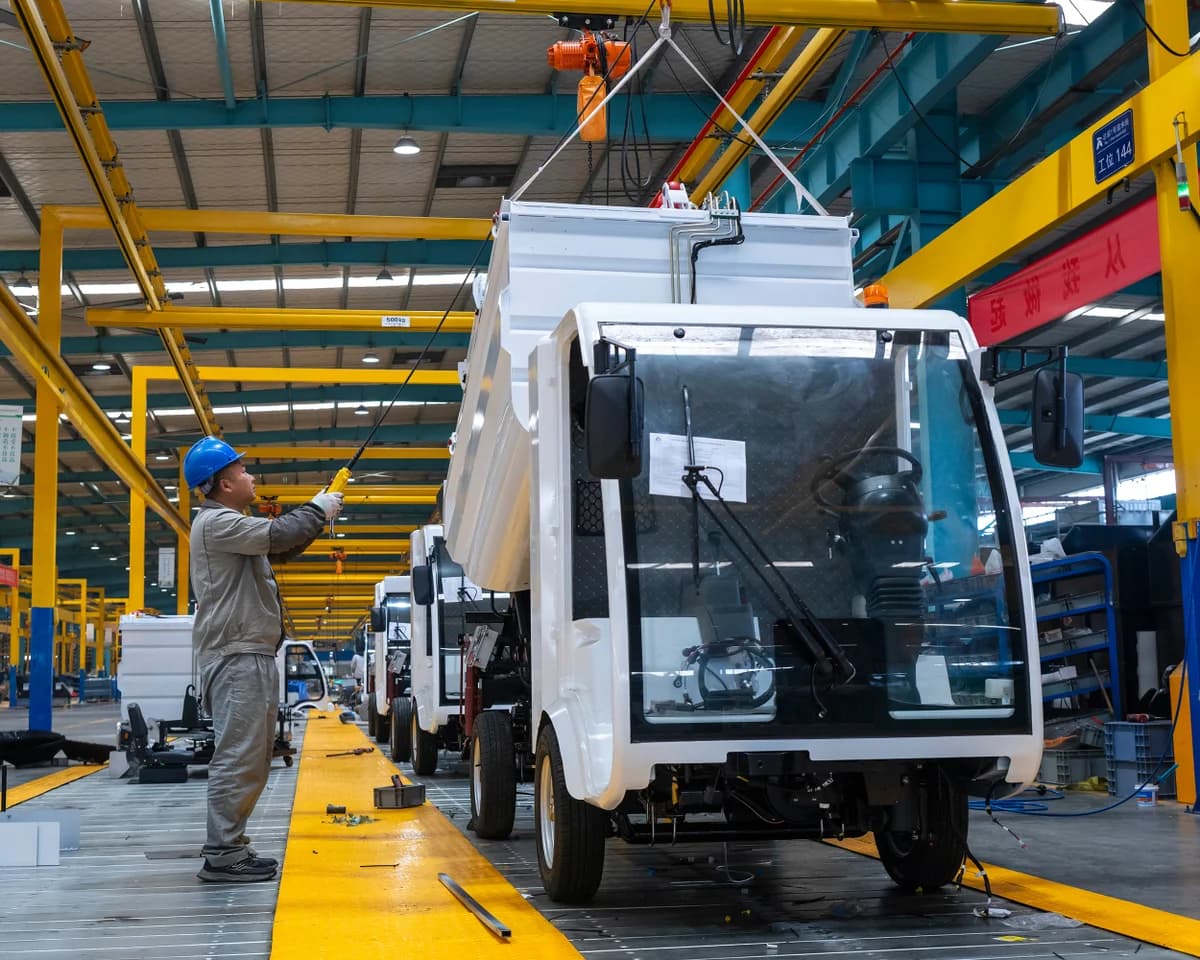
Digital China Initiative: Expansion of digital infrastructure, AI applications, and smart manufacturing to enhance productivity.
Green Technology: Investments in renewable energy, electric vehicles, and sustainable urban planning to meet climate goals.
Biotechnology & Healthcare: Focus on regenerative medicine, pharmaceuticals, and public health innovation.
Defense & Optics: Companies like HIKMICRO are showcasing advanced thermal and digital optics, reflecting China’s growing role in specialized technology markets.
Global Impact
China’s innovation push is not confined to domestic markets. By scaling up advanced manufacturing and digital exports, the country is positioning itself as a global leader in next-generation industries. Partnerships in Asia, Africa, and Europe are expanding, while Chinese firms increasingly compete in international arenas ranging from consumer electronics to renewable energy solutions.
Challenges Ahead
Despite progress, China faces hurdles: balancing state-led initiatives with private sector dynamism, ensuring intellectual property protection, and navigating geopolitical tensions that affect technology transfer. Yet, the emphasis on original innovation and coordinated development of education, science, and industry suggests a long-term commitment to overcoming these barriers.
China’s innovation strategy in 2026 reflects a deliberate shift from being a manufacturing powerhouse to becoming a global hub of technological creativity. By aligning policy, industry, and talent, the country is laying the foundation for sustained growth and influence in the decades ahead.