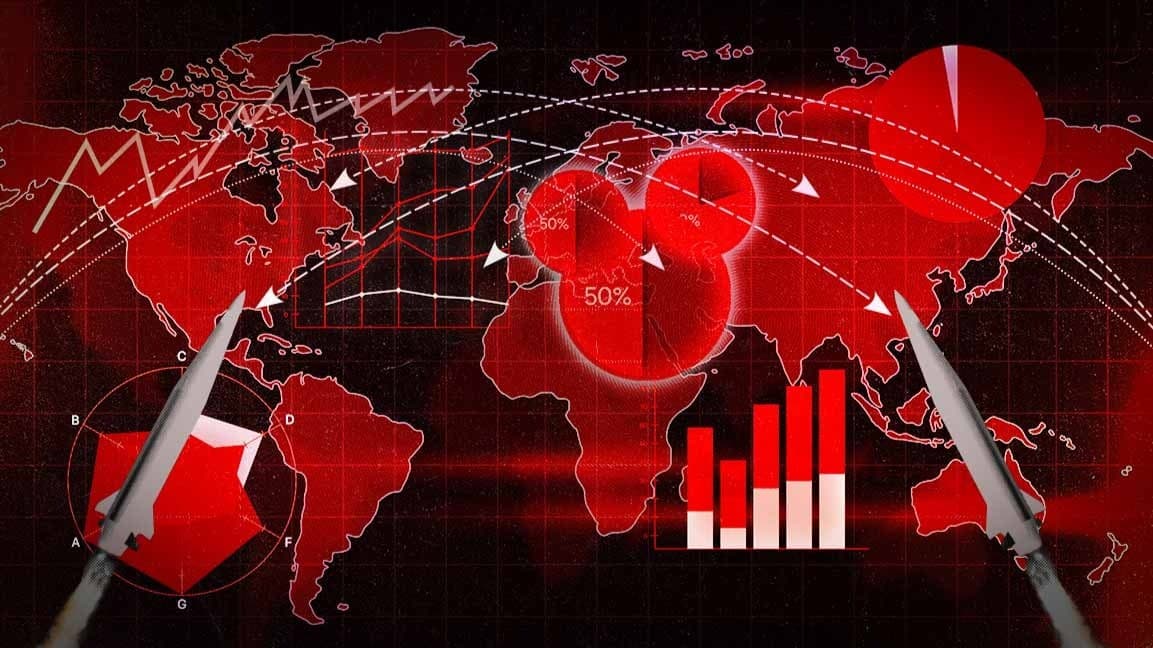
The world in 2026 is experiencing a surge in geopolitical conflicts and tensions that are reshaping global politics, security, and economic stability. From escalating military confrontations in the Middle East to the ongoing war in Eastern Europe, international relations are becoming increasingly fragile. Governments, global institutions, and citizens alike are watching these developments closely because they influence everything from oil prices to migration and international trade.
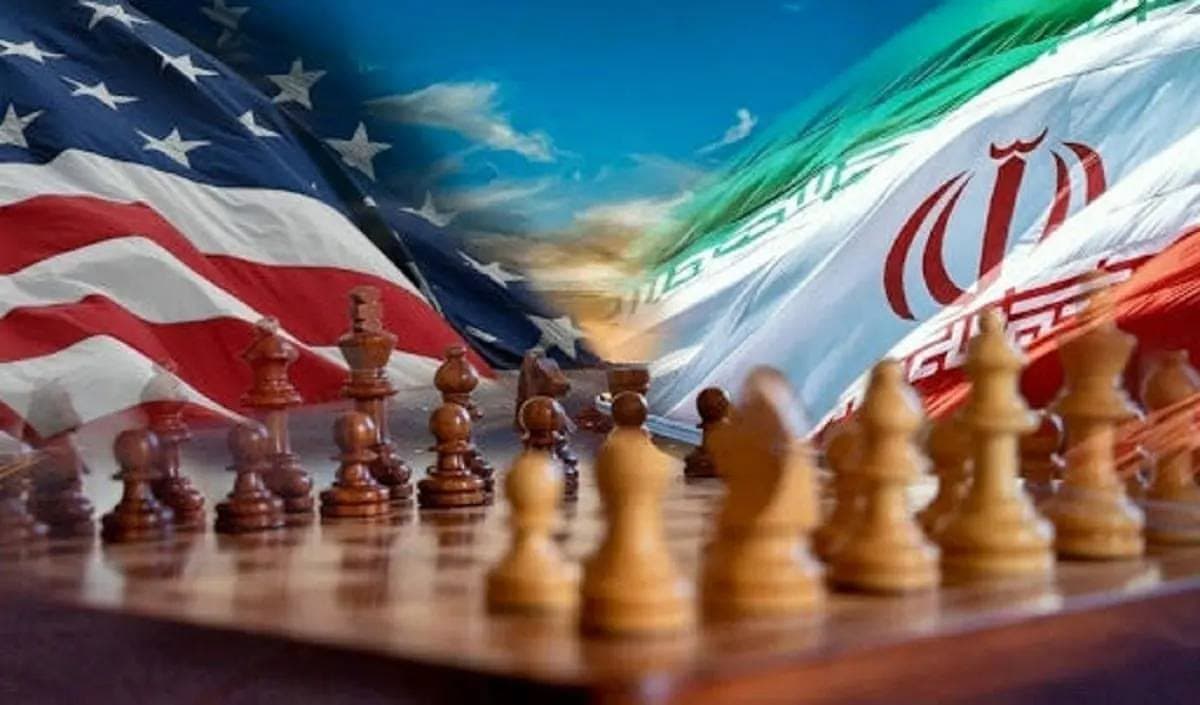
One of the most significant developments is the escalating conflict involving Iran, Israel, and the United States. Recent joint strikes by U.S. and Israeli forces against Iranian targets triggered retaliatory missile and drone attacks from Iran, intensifying the regional crisis. The situation has also expanded beyond these countries, with Iran-allied groups joining the conflict and launching attacks against Israeli territory. This escalation has transformed a regional dispute into a broader geopolitical confrontation that could affect global security.
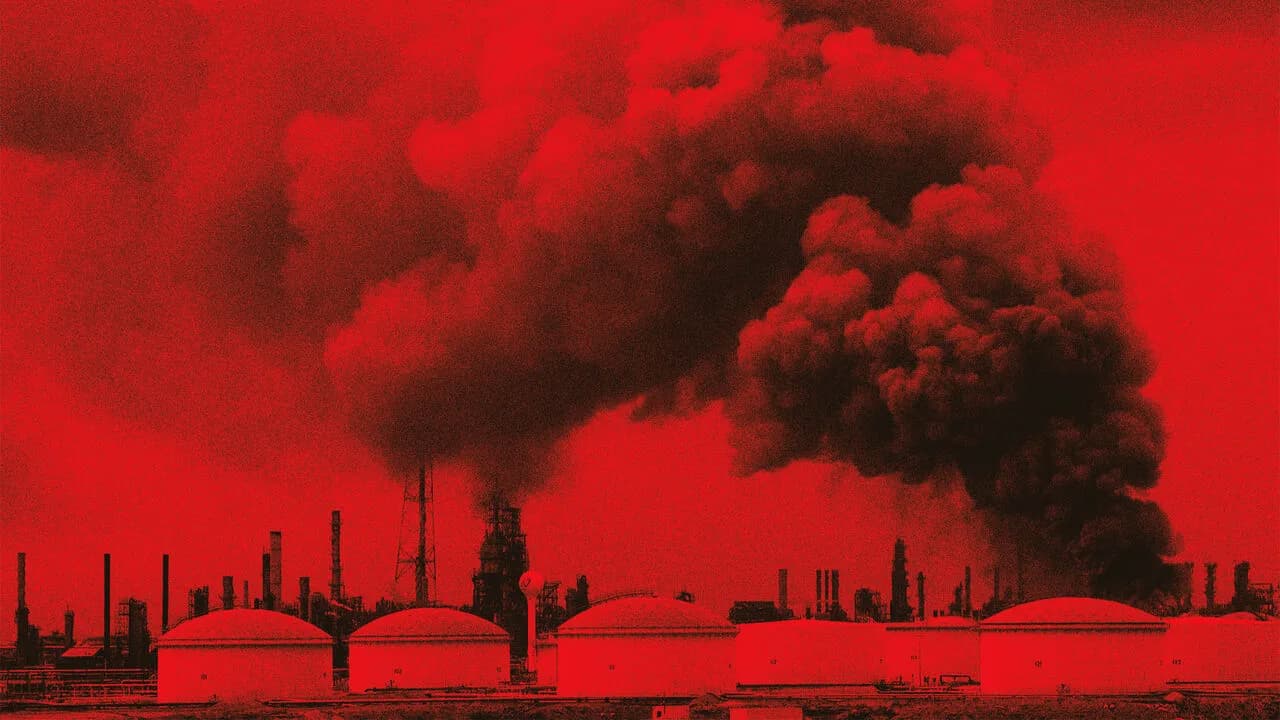
A particularly critical flashpoint is the Strait of Hormuz, one of the world’s most important shipping routes for oil and gas. After the recent military escalation, shipping traffic in the area faced severe disruptions as Iran threatened vessels and launched attacks in response to the strikes. Since a large portion of global energy supply passes through this narrow maritime corridor, the crisis has raised fears of rising oil prices and potential energy shortages worldwide.
Meanwhile, the Russia–Ukraine war continues to influence global geopolitics. The prolonged conflict has strained Europe’s security environment and caused economic disruptions in energy markets and food supply chains. Analysts believe that instability in the Middle East could indirectly benefit Russia by increasing global oil prices and shifting international political attention away from the European battlefield.
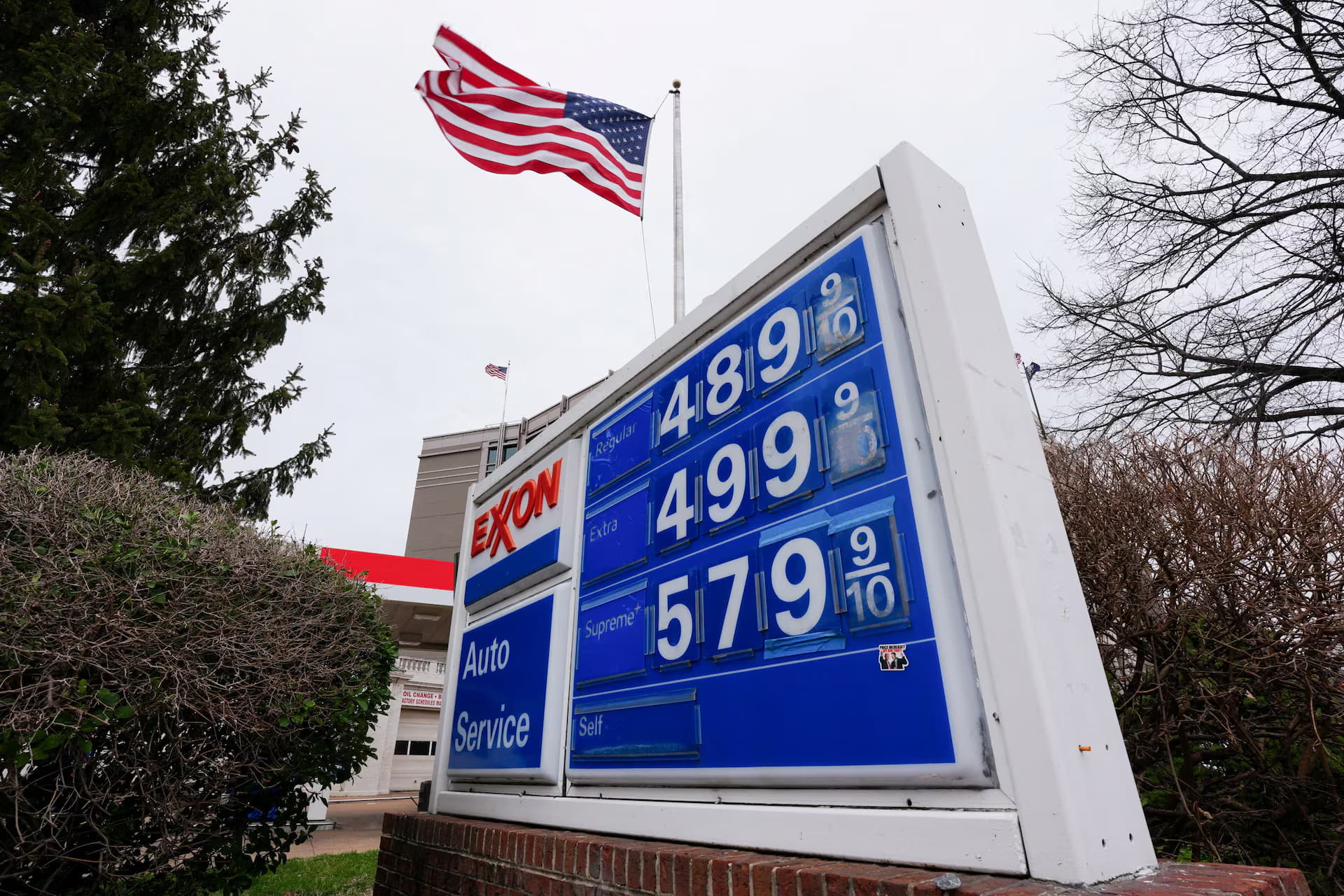
The ripple effects of these conflicts are already being felt across the global economy. Rising geopolitical tensions have caused fluctuations in international markets, disrupted shipping routes, and increased uncertainty among investors. Oil and natural gas prices have surged as traders respond to fears of supply disruptions caused by conflict in the Middle East. These developments highlight how geopolitical events can quickly influence economic stability worldwide.
Beyond economic consequences, the humanitarian impact of these conflicts is also becoming a major concern. Experts warn that escalating tensions in the Middle East could trigger a large-scale migration crisis if instability spreads further across the region. Millions of people could be displaced, placing additional pressure on neighboring countries and international refugee systems already under strain.
Overall, the current geopolitical landscape demonstrates how interconnected modern conflicts have become. A crisis in one region can rapidly influence global markets, international diplomacy, and humanitarian conditions. As tensions continue to rise across multiple regions, world leaders face growing pressure to pursue diplomatic solutions and prevent these conflicts from escalating into wider global confrontations.