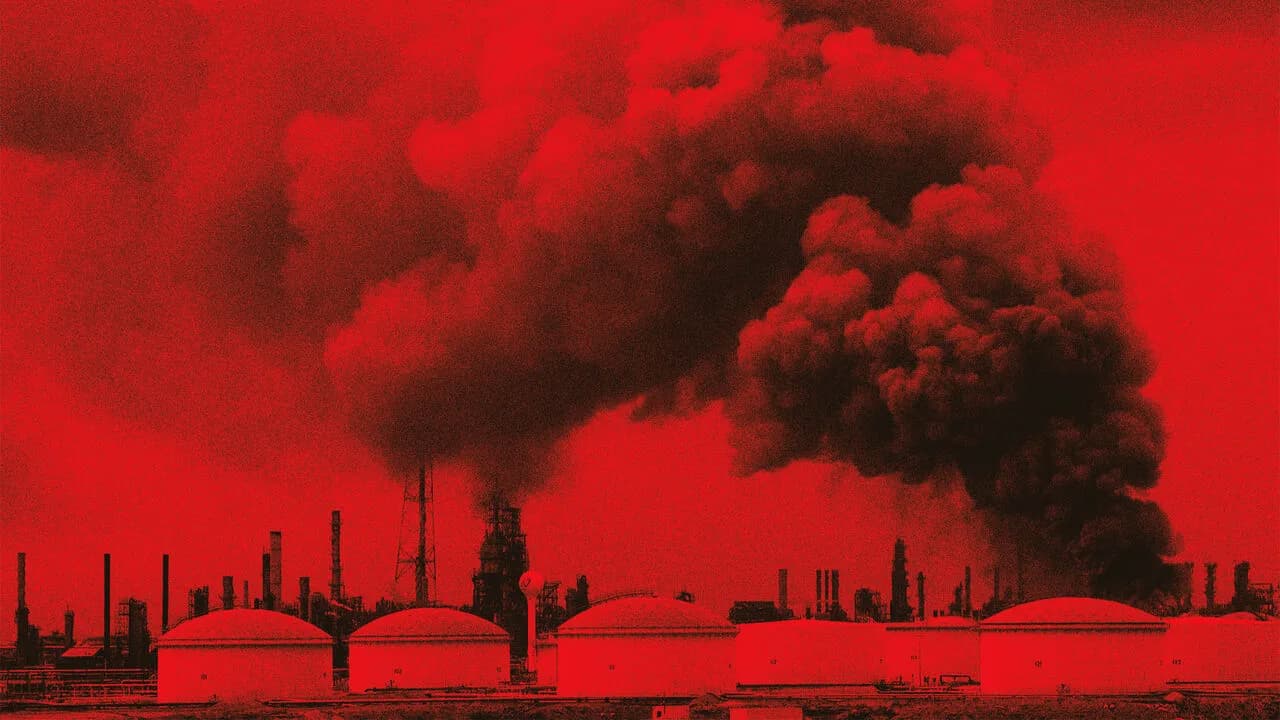
The global oil market is currently facing an unprecedented supply shock as geopolitical tensions in the Middle East escalate into what the International Energy Agency (IEA) calls the largest disruption to oil supplies in history. The conflict, which erupted in late February 2026, has severely impacted critical shipping routes and production centers in the Gulf, leading to a sharp contraction in global oil output and sending ripples through energy markets worldwide.
At the heart of the disruption is the Strait of Hormuz, a narrow waterway linking the Persian Gulf to the Arabian Sea that normally handles around 20% of global seaborne oil and gas trade. As hostilities have intensified, maritime traffic through this chokepoint has plummeted to a fraction of normal levels, effectively halting exports from several major producers. Without reliable transit through Hormuz, many Gulf producers have either curtailed output or shuttered fields entirely, contributing to a steep decline in available oil supplies.
Recognizing the severity of the situation, the IEA — an intergovernmental body tasked with ensuring global energy security — has authorized an extraordinary release of 400 million barrels of crude oil from emergency strategic reserves, the largest stock release in the agency’s history. This collective action by IEA member countries aims to cushion the markets by making additional supply available to buyers while the disruption persists. However, even this unprecedented intervention may only partially offset the scale of the shock if the conflict continues unabated and shipping remains constrained.