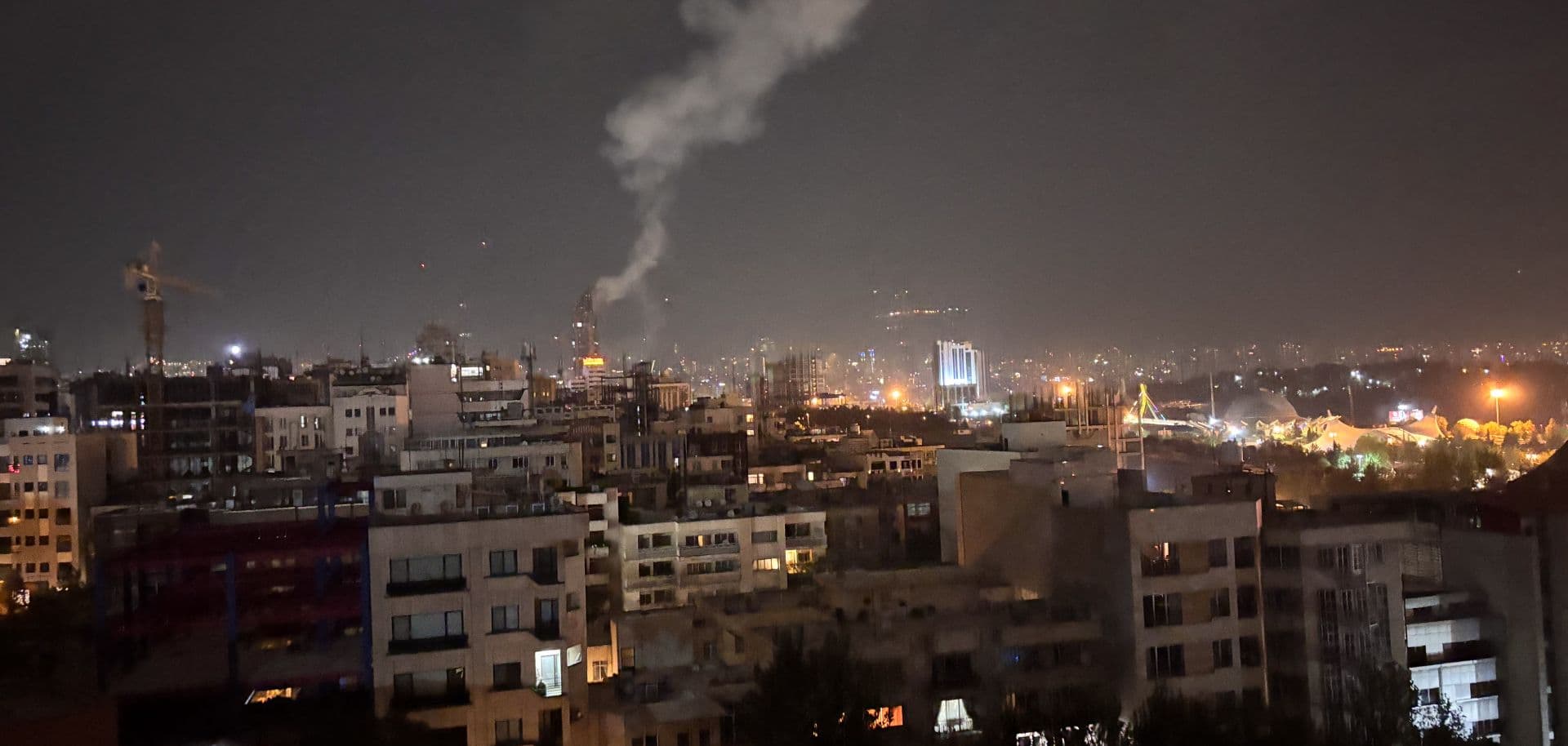
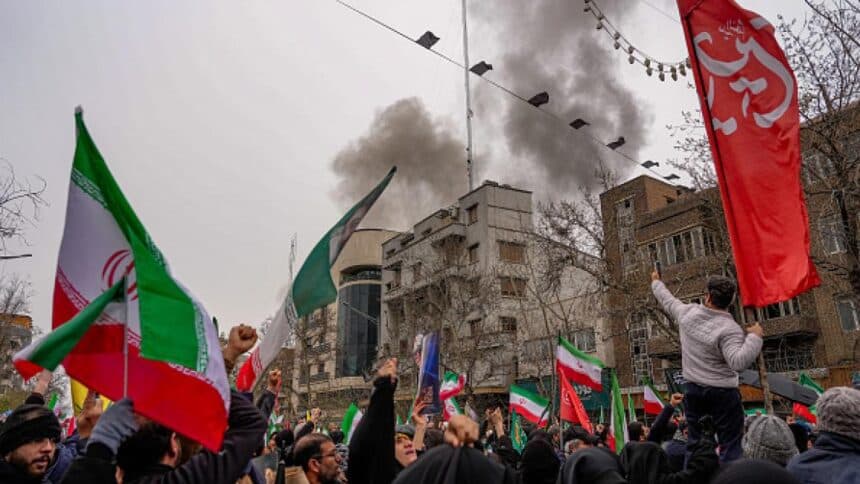
The conflict between Israel and Iran has intensified significantly in recent weeks, raising fears of a wider regional war in the Middle East. The latest escalation began on 28 February 2026, when Israel, reportedly supported by the United States, launched large-scale airstrikes on Iranian military facilities, missile bases, and nuclear-related sites. The operation, known as “Operation Lion’s Roar,” targeted key strategic locations across Iran, including sites near Tehran.
One of the most dramatic developments during the strikes was the reported killing of Iran’s Supreme Leader Ayatollah Ali Khamenei in a targeted attack on Iranian leadership. Iranian authorities confirmed the death shortly afterward, and an interim leadership structure was established while the country prepared for a new leadership transition. The incident marked one of the most significant political shocks in Iran’s modern history and further intensified hostilities between the two nations.
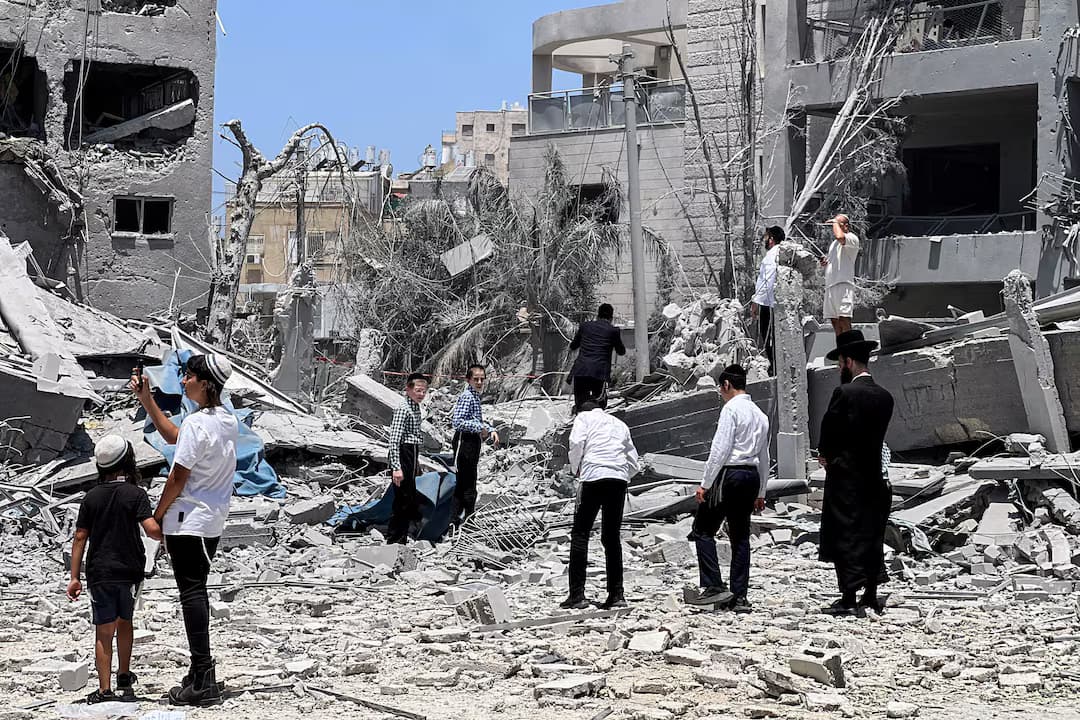
In response to the airstrikes, Iran launched ballistic missiles and drone attacks targeting Israeli cities and military facilities. Several missiles were intercepted by Israeli air-defense systems, but some strikes caused damage to buildings and infrastructure. Sirens sounded across cities such as Tel Aviv and Jerusalem as civilians were advised to seek shelter in underground bunkers. The exchange of attacks has continued for weeks, with both sides accusing each other of escalating the conflict.