The ongoing tensions in the Middle East have brought renewed attention to the Strait of Hormuz, one of the most important maritime routes for global energy trade. The narrow waterway connects major oil-producing countries in the Persian Gulf with international markets and is responsible for transporting a significant portion of the world’s crude oil supply each day. As the conflict involving Iran, the United States, and Israel intensifies, concerns about the security of this vital passage have increased worldwide.
Iranian officials have warned that if military pressure continues, they may consider restricting or controlling access to the Strait of Hormuz. Such a move could disrupt the movement of oil tankers passing through the region. Because nearly one-fifth of the world’s oil trade flows through this narrow route, any disruption could have major consequences for global energy markets.
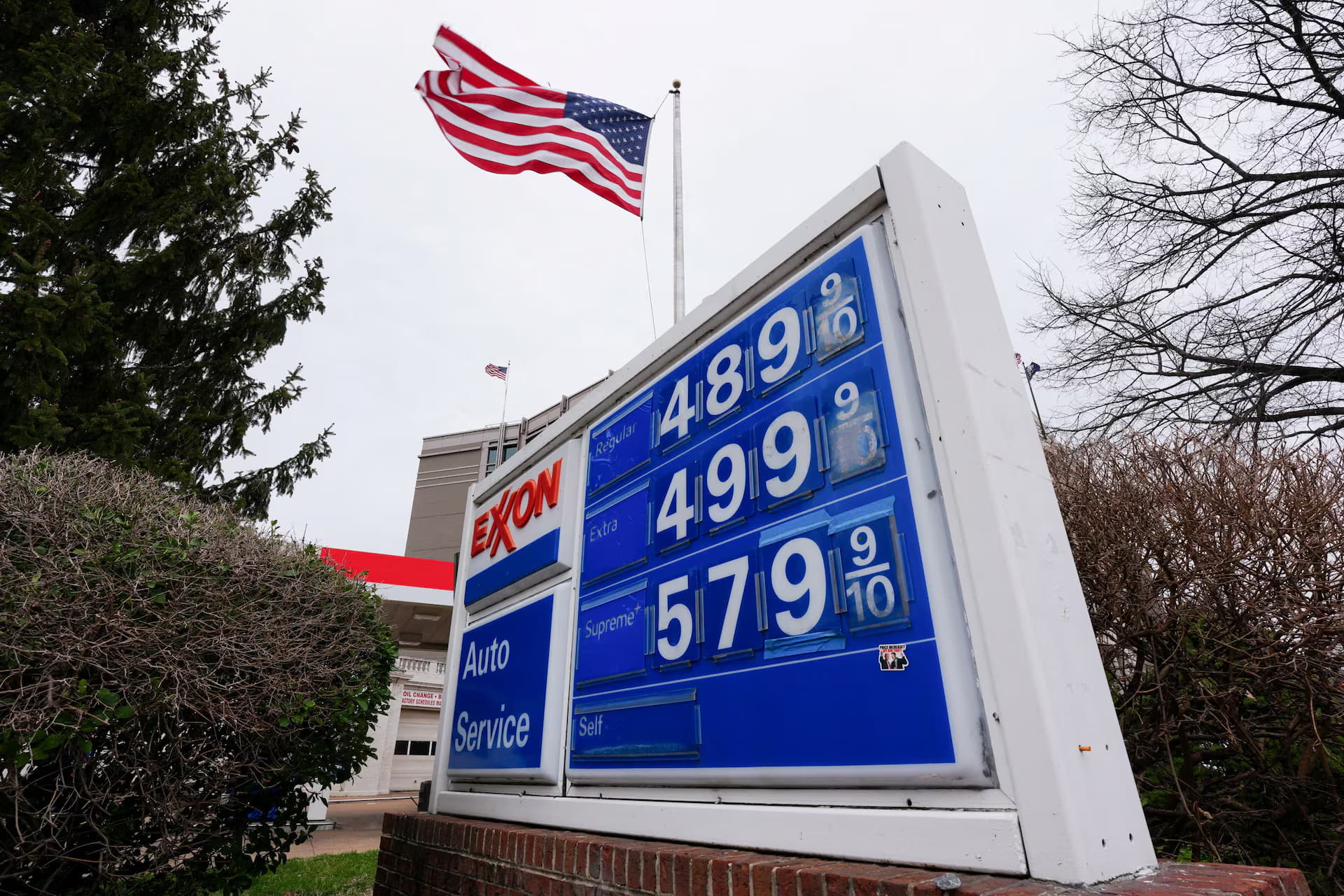
In response to these developments, international oil prices have already shown signs of volatility. Energy analysts say that even the possibility of restricted shipping through the strait can lead to price spikes, as global markets react quickly to geopolitical risks. Several countries that rely heavily on oil imports are closely monitoring the situation and preparing contingency plans in case the crisis escalates further.