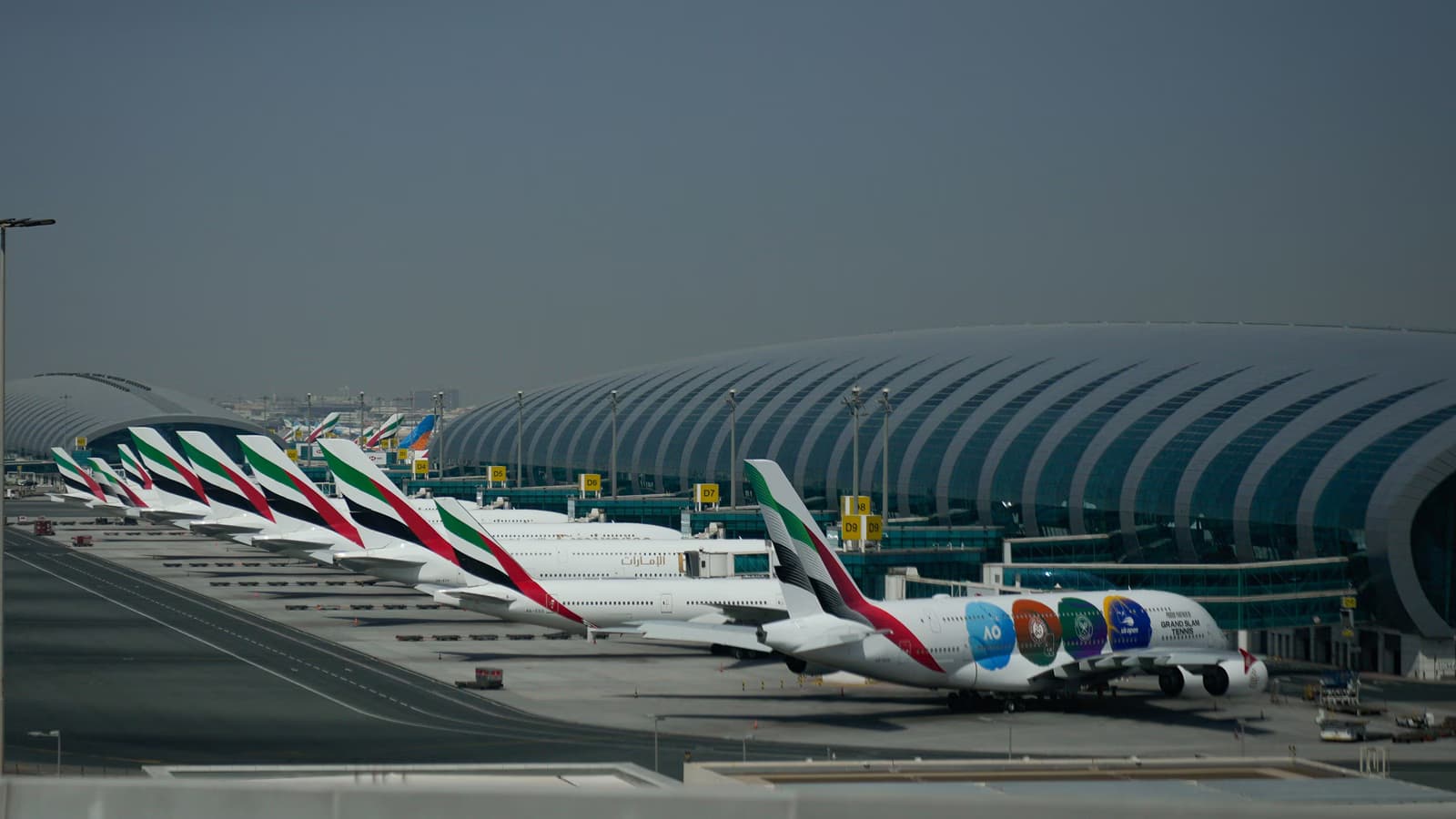
Recent missile alerts in the United Arab Emirates (UAE) have caused significant concern and disruption, particularly affecting air travel and daily life in major cities such as Dubai and Abu Dhabi. The situation developed as tensions in the Middle East escalated following military strikes involving Iran, the United States, and Israel. As a result, the UAE—normally regarded as one of the most stable and secure countries in the region—found itself dealing with missile threats, air-defence operations, and aviation disruptions.
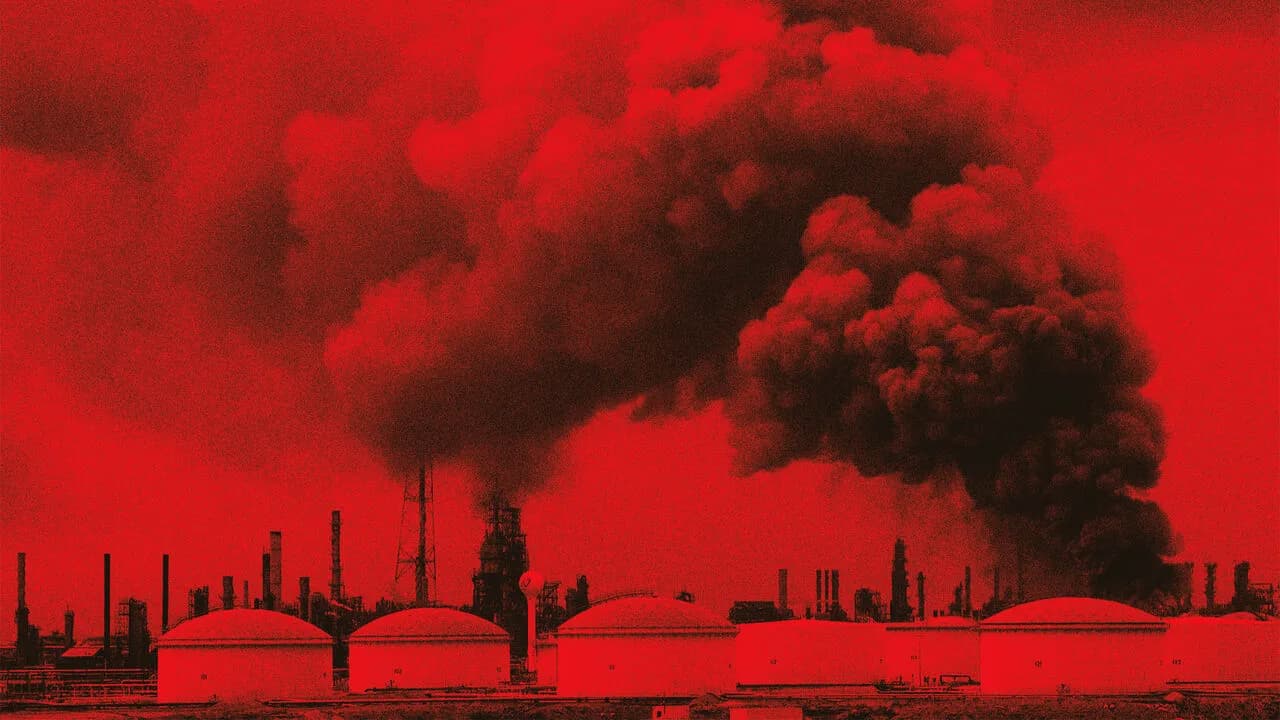
The crisis intensified at the end of February 2026 when Iran launched a large number of ballistic missiles and drones toward several Gulf countries, including the UAE. Emirati authorities reported detecting and intercepting numerous incoming projectiles using advanced air-defence systems. In some cases, debris from intercepted missiles fell in populated areas, causing minor damage and injuries. Loud explosions were reported in Abu Dhabi and Dubai as the defence systems neutralized incoming threats. In one incident near Zayed International Airport in Abu Dhabi, falling debris from a missile interception caused casualties and property damage.
The UAE government issued emergency alerts to residents through mobile phones and public warning systems. These alerts urged people to remain indoors or seek immediate shelter until authorities confirmed that the threat had passed. Such nationwide warnings are extremely rare in the UAE and highlighted the seriousness of the situation. Authorities reassured the public that most of the missiles and drones were successfully intercepted and that security forces were fully prepared to respond to further threats.