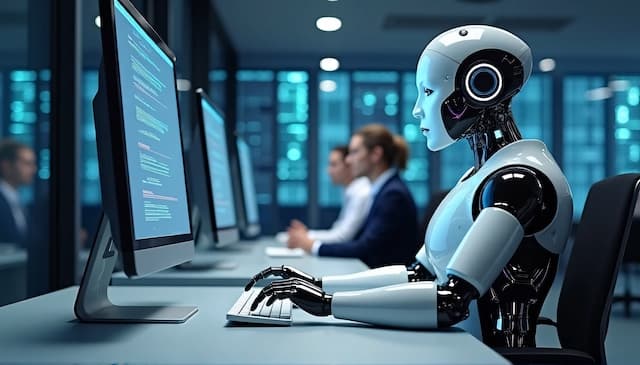
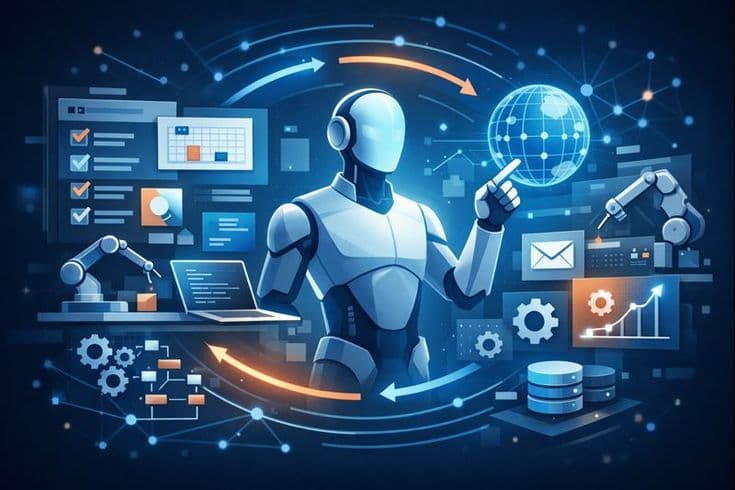
Artificial Intelligence (AI) has become one of the most debated topics in today’s world, especially when it comes to employment. The question many ask is: Does AI take our jobs? The answer is complex, because AI is not simply replacing human labor—it is reshaping the way we work.
The Fear of Job Loss
AI systems can automate repetitive tasks, analyze massive amounts of data, and even perform creative functions like writing or designing. This efficiency raises concerns that traditional jobs—especially in manufacturing, customer service, and administrative roles—may disappear. History shows that technological revolutions often disrupt employment patterns, and AI is no exception.
The Opportunity Side
While some jobs may be reduced, AI also creates new opportunities. Entirely new industries are emerging around AI development, data science, cybersecurity, and digital ethics. Roles that require human creativity, emotional intelligence, and strategic thinking remain irreplaceable. Instead of eliminating work, AI often shifts human effort toward higher-value tasks.
Transformation of Work
Automation of routine tasks: Employees can focus on innovation rather than repetitive duties.
Enhanced productivity: AI tools help professionals in healthcare, education, and finance make faster, more accurate decisions.
New skill demands: Workers are encouraged to learn digital literacy, coding, and data analysis to stay relevant.
Collaboration between human and machine: The future is not about competition but partnership.
Conclusion
AI does not simply “take jobs”—it transforms them. Just as past technologies replaced certain roles but created new ones, AI is reshaping the workforce. The challenge lies in adapting: reskilling, embracing lifelong learning, and viewing AI as a tool rather than a threat. The future of work will be defined not by machines alone, but by how humans choose to grow alongside them.