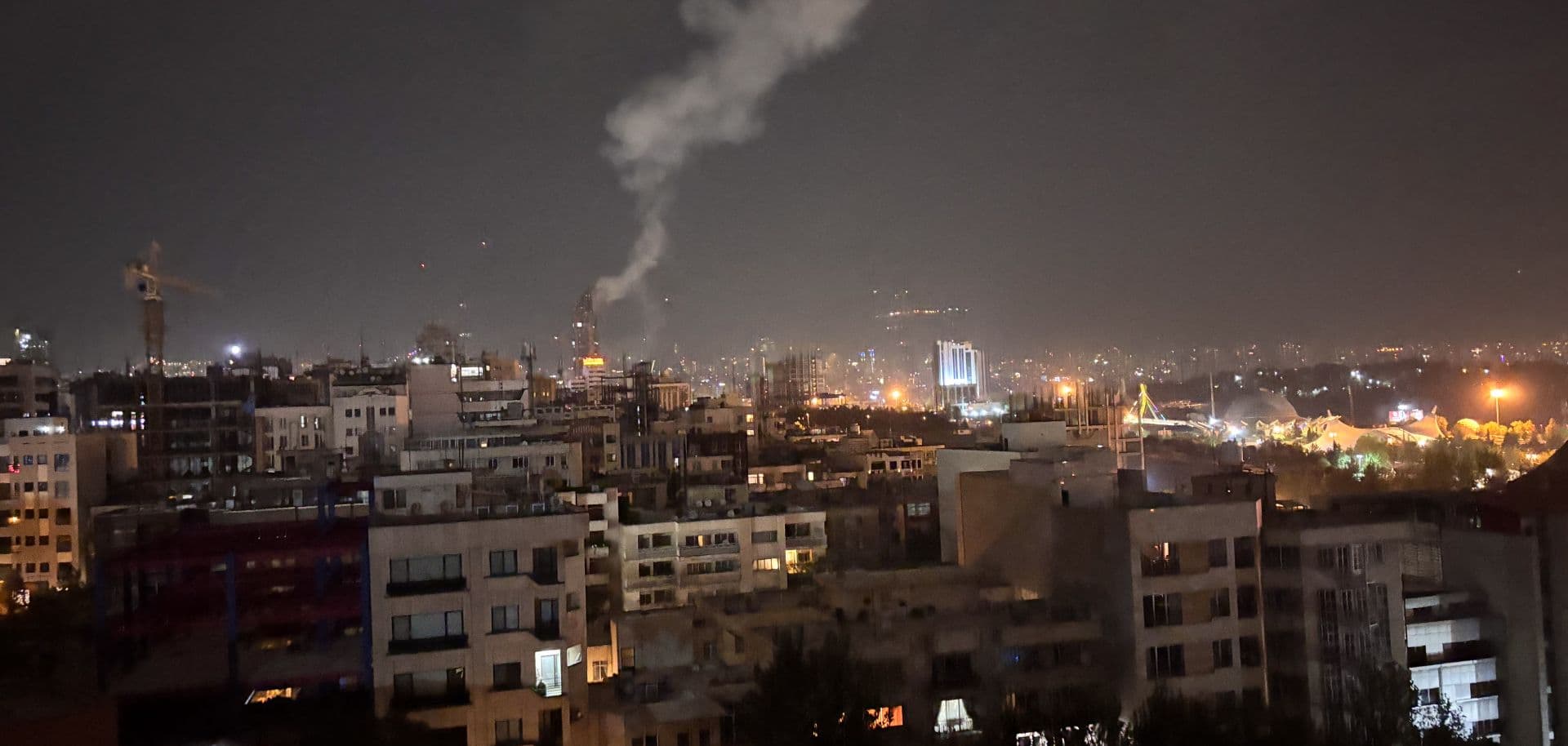
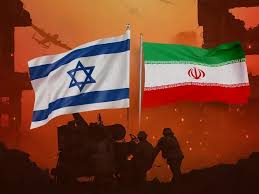
Israel, officially known as the State of Israel, is a small but highly influential country located in the Middle East, along the eastern Mediterranean coast. Established in 1948 following the United Nations partition plan and subsequent declaration of independence, Israel quickly became a focal point of global attention due to its geopolitical significance and ongoing conflicts with neighboring Arab states. The 1948 Arab–Israeli War marked the beginning of decades of regional tension, including several major wars and continuing disputes over territory and sovereignty.
Historical Background
The modern state was founded as a homeland for the Jewish people after centuries of diaspora and persecution, culminating in the Holocaust. Waves of Jewish immigration from Europe, the Middle East, and North Africa shaped the country’s demographic and cultural landscape. Israel’s history is deeply intertwined with religious traditions, as it is home to sacred sites for Judaism, Christianity, and Islam.
Political Landscape
Israel operates as a parliamentary democracy with a president as head of state and a prime minister as head of government. Its politics are characterized by coalition governments, frequent elections, and debates over issues such as security, settlements, and minority rights. The country has faced challenges in balancing its identity as both a Jewish state and a democratic society, particularly in relation to its Arab minority and the Palestinian territories.
Economy and Innovation
From its early years, Israel transformed from an agriculture-based economy into one of the world’s leading centers of technology and innovation. Known as the “Start-Up Nation,” it has a thriving high-tech sector, strong research institutions, and a dynamic entrepreneurial culture. Despite limited natural resources, Israel has achieved impressive economic growth, with strengths in cybersecurity, medical technology, and agriculture.
Society and Culture
Israel’s population is diverse, including Jews of various backgrounds, Arab citizens, Druze, and other minorities. Hebrew and Arabic are official languages, and cultural life is vibrant, blending ancient traditions with modern creativity. The country is also marked by social debates, including tensions between secular and religious communities, and ongoing discussions about national identity.
Global Role
Israel maintains close ties with Western nations, particularly the United States, while navigating complex relationships in the Middle East. Its role in regional security, peace negotiations, and technological cooperation makes it a significant player on the global stage.