In 2026, tourism in Israel remains a complex tapestry of profound historical allure and significant modern challenges. As of March 2026, the industry is operating in a landscape shaped by a dual reality: the enduring spiritual draw of the "Holy Land" and the immediate impact of regional security shifts.
A Tale of Resilience and Recovery
Entering the year, Israel saw a notable uptick in international arrivals, with approximately 1.3 million visitors recorded in early 2026—a 37% increase over the previous year. This recovery has been largely driven by "solidarity tourism" and religious pilgrimages. Travelers from the United States, France, and the UK continue to lead the influx, primarily visiting to reconnect with family or walk the biblical paths of Jerusalem and the Galilee.
Iconic Destinations
Despite the geopolitical climate, Israel’s "bucket list" sites remain central to the experience:
Jerusalem: The spiritual epicenter, where the Western Wall, the Church of the Holy Sepulchre, and the newly expanded City of David excavations offer a 3,000-year-old journey into history.
Tel Aviv: The "White City" continues to offer a sharp contrast with its vibrant Mediterranean beaches, Bauhaus architecture, and high-tech culinary scene.
The Dead Sea & Masada: Travelers still seek the surreal experience of floating at the lowest point on Earth and exploring Herod’s desert fortress.
Current Travel Climate (March 2026)
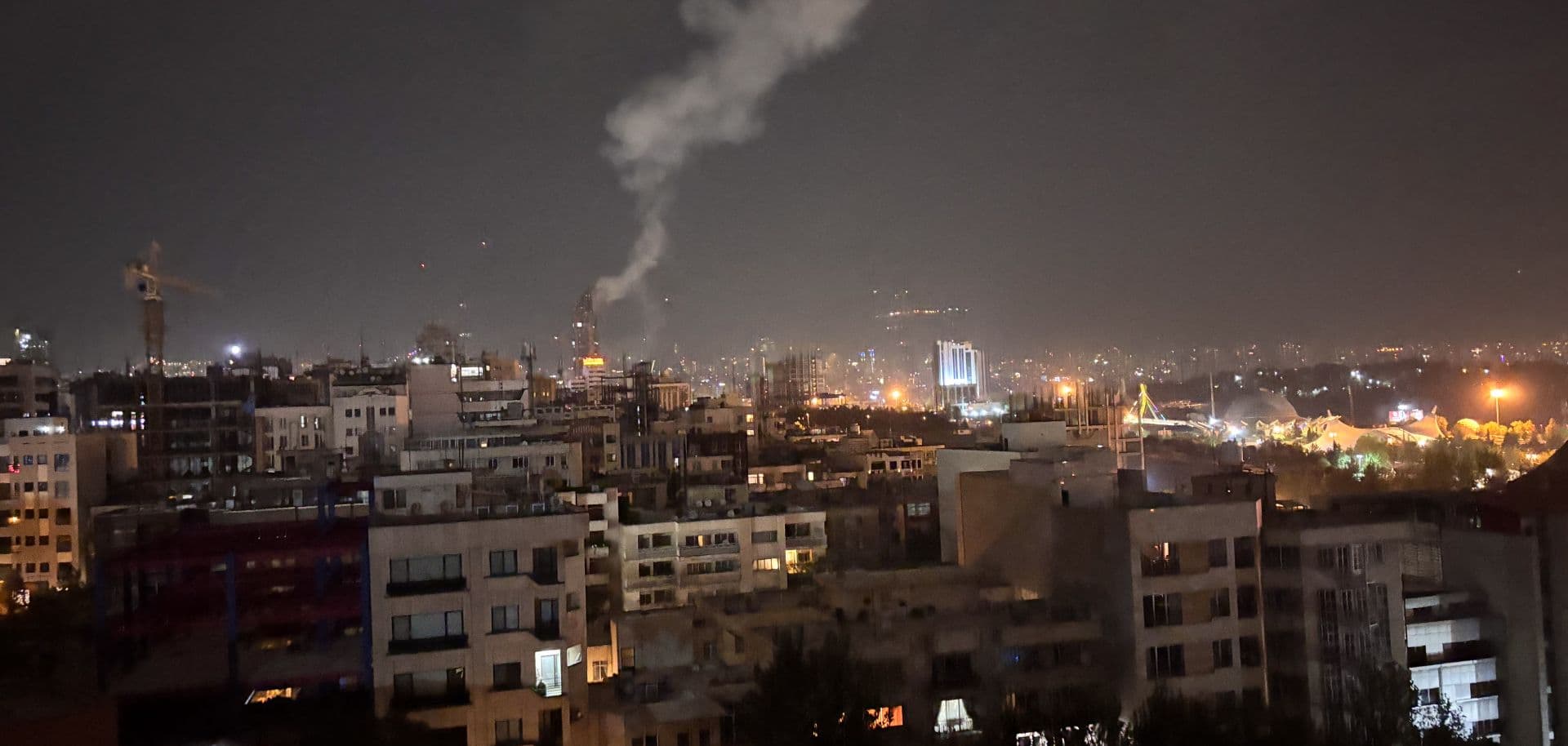
It is crucial for travelers to stay informed, as the situation remains fluid. Recent regional escalations in March 2026, including military operations like "Operation Roaring Lion," have led several countries (such as the UK, Australia, and the US) to issue "Do Not Travel" or "Reconsider Travel" advisories. While many pre-planned religious tours continue with heightened security, individual travelers are navigating a landscape of shifting flight schedules and specialized safety guidelines.